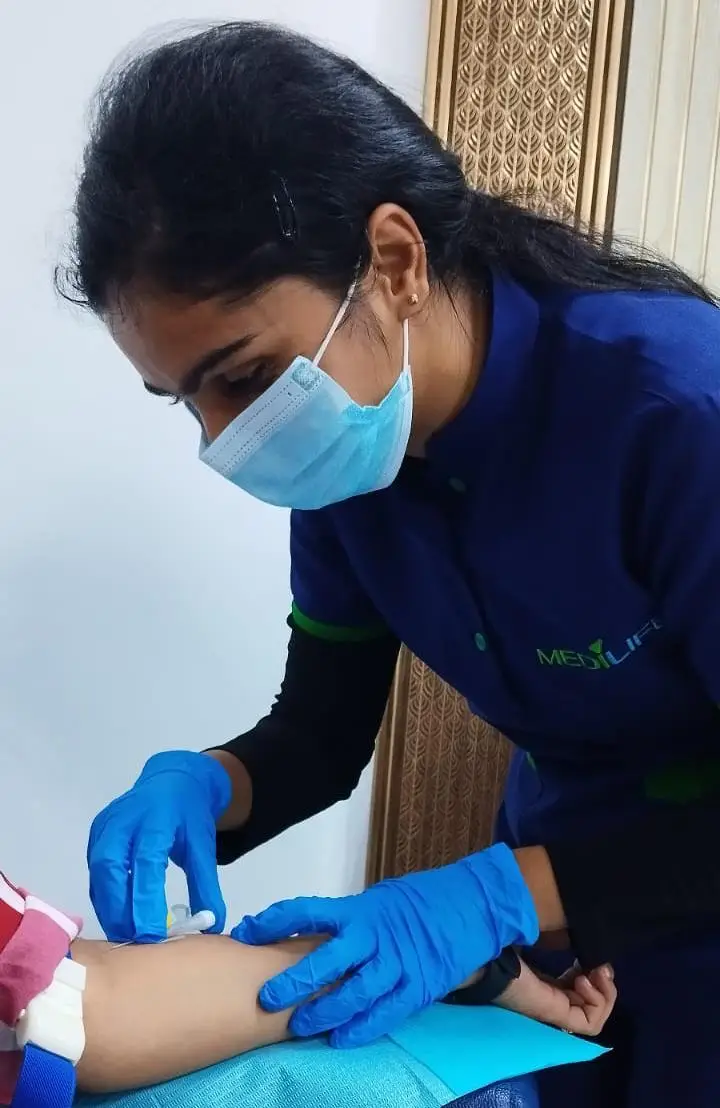
Vaccine Case Study
Pediatric Preventive Health
Date
14 April 2026Client
Juvel MickCategory
Flu Vaccine
How a Home Nurse Visit Delivered a Stress-Free Influenza Vaccination for a Toddler in Downtown Dubai
Case study Prepared By Dr Fahimunnisa
Last Updated: Febraury 2026 | Medical Review: Dr Fahimunnisa | DHA Licensed
A 4-year-old female with a severe history of white-coat syndrome successfully receives her annual quadrivalent INFLUENZA VACCINE through Medilife Homecare visit — avoiding the emotional distress of a clinic environment and ensuring uninterrupted seasonal immunity.
PATIENT PROFILE
- DEMOGRAPHICS - 4-year-old female, Downtown Dubai resident.
- OCCUPATION - Preschool student (KG1), active in community playgroups.
- LIVING SITUATION - High-rise apartment, centrally air-conditioned, living with parents and an infant sibling.
- RELEVANT HISTORY - Infant brother (6 months old) is approaching his first flu shot window; father has mild seasonal asthma. Protecting the household from viral shedding is a high priority for the family.
CLINICAL EXAMINATION FINDINGS
Vital Signs
| Parameter | Pre-Vaccination (Sitting) | Post-Vaccination (Standing) | Clinical Significance |
|---|---|---|---|
| BP (mmHg) | 92/58 | 90/56 | Stable hemodynamics; no postural instability |
| HR (bpm) | 100 | 108 | Mild rise post-procedure = normal anxiety/crying response |
| RR (breaths/min) | 22 | 24 | Slight increase post-vaccine stress response; within normal range |
| Temperature (°C) | 36.6 | 36.7 | Afebrile; no vaccine-related fever at time of assessment |
| O₂ Saturation | 99% RA | 99% RA | Normal oxygenation; no respiratory compromise |
CHIEF COMPLAINT & HISTORY OF PRESENT ILLNESS
The patient’s mother contacted Al Hosna’s home health service requesting an at-home administration of the annual seasonal influenza vaccine.
The primary barrier to care was the child’s profound clinic anxiety (white-coat syndrome). During her previous 3-year developmental checkup at a standard outpatient facility, the patient experienced severe distress, panic, and physical resistance during a routine blood draw. This trauma resulted in intense physiological responses (hyperventilation, crying, and hiding) whenever a traditional hospital or clinic setting was mentioned.
With the autumn influenza season approaching and the child attending a high-exposure preschool environment, the parents sought a clinical alternative to secure immunity without repeating the psychological distress.
SYMPTOMS OBSERVED IN CHILD
Presenting Symptoms:
- Mild anxiety and clinginess toward parent
- Fear of injection (crying when medical equipment is seen)
- Restlessness and difficulty sitting still during assessment
- Normal appetite and activity level otherwise
- No fever, cough, or respiratory symptoms
Fluid Intake Prior to Consultation:
- Approximately 300–500 mL of fluids consumed in the last 6–8 hours
- Mainly water; no sugary drinks or caffeine intake reported
- Mildly reduced intake noted due to reduced appetite/anxiety prior to consultation
- No signs of vomiting or fluid loss prior to assessment
PAST MEDICAL, SOCIAL & ALLERGY HISTORY
- PAST MEDICAL HISTORY
- Generally healthy child. No chronic disease, hospitalisations, or recurrent infections
- MEDICATIONS
- Daily pediatric multivitamin gummies. No prescription medications
- ALLERGIES
- No known drug allergies (NKDA) No known food allergies reported
- No prior adverse reaction to vaccines or injectable medications
- No history of atopic reactions triggered by medications or vaccines
- SOCIAL HISTORY
- Enrolled in a local early childhood center 5 days a week. Frequent exposure to common pediatric respiratory pathogens
PHYSICAL EXAMINATION
- No respiratory symptoms
- No signs of acute infection
- ENT examination normal
- Chest clear on auscultation
- Fit for vaccination confirmed
VACCINATION DETAILS
- Dose: 0.5 mL intramuscular injection administered into the deltoid muscle.
- Administration Setting: Vaccination performed in the child’s home environment. The procedure was conducted in the living room under parental supervision, providing a comfortable and familiar setting that helped reduce anxiety.
PROCEDURE NOTES
- Child comfort techniques utilized, including distraction and reassurance
- Parent actively involved in comforting the child during the procedure
- Topical cooling applied before injection to minimize discomfort
- Vaccination completed within 2 minutes
- Child tolerated the procedure well
- No immediate adverse reactions or complications observed during the post-vaccination observation period
- Patient remained stable and comfortable throughout the visit
MANAGEMENT PLAN
VACCINATION COMPLETED
Seasonal influenza immunisation administered safely at home
POST-VACCINE ADVICE
- Mild fever or soreness may occur for 24–48 hours
- Paracetamol advised only if discomfort develops
- Encourage hydration and rest if mild fatigue occurs
- Normal school attendance permitted next day if well
PREVENTION COUNSELLING
- Reinforced importance of annual flu vaccination
- Hand hygiene and respiratory etiquette in school
- Early reporting of flu-like symptoms in household contacts
FOLLOW-UP
No routine follow-up required unless symptoms develop
24-HOUR FOLLOW-UP (Teleconsultation)
Patient reported:
Remained headache-free throughout afternoon and evening
Consumed 2.5 litres fluid over 24 hours
Light meals tolerated well; no recurrent nausea
Slept 8 hours that night without disruption
Fully returned to normal function
No medications required beyond post-IV period
OUTCOME
At 48-hour check-in:
- No fever or adverse effects
- Injection site fully settled
- Child attended school normally
- Parents reported reduced anxiety and high satisfaction with home service
No clinic visit required.
PATIENT EXPERIENCE

CHILD PARENT
“She was always scared of injections, so going to clinics was stressful for her and for us. Having the doctor come home made everything calm and quick. She was playing again within minutes.”
CLINICAL INSIGHT
Key learning points: Seasonal influenza vaccination remains one of the most effective preventive healthcare measures in children, particularly in school-going populations with high exposure risk. In Dubai, where families often prefer convenient and low-stress healthcare options, home vaccination services significantly improve compliance and reduce missed immunisations.
Home-based administration also reduces exposure to waiting-room infections and improves vaccination uptake in children with anxiety or prior negative healthcare experiences. Early seasonal vaccination ensures optimal protection before peak influenza circulation in schools and communities.
Disclaimer
Patient details have been anonymised and consent obtained for educational publication. This case study is for informational purposes only and does not constitute medical advice.Individual results may vary.
1345
+DENTAL CARE
1215
+MEDICAL TEST
1125
+MEDICAL CARE
1024
+DENTAL CARE