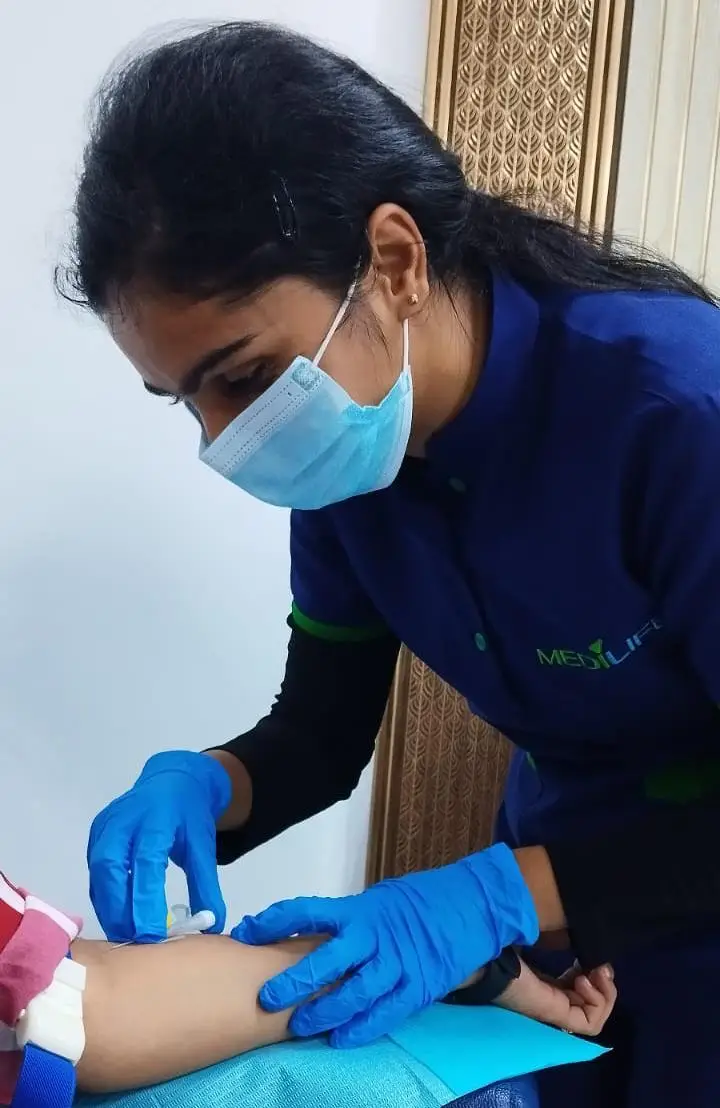
A 28-year-old male presenting with severe dehydration, headache, nausea, and fatigue following heavy alcohol consumption overnight receives same-day IV fluid therapy and electrolyte replacement — achieving complete symptom resolution within 90 minutes and enabling same-day return to work.
PATIENT PROFILE
DEMOGRAPHICS - 28-year-old male, British expat, Downtown Dubai resident Caucasian, married, works in finance sector
OCCUPATION - Senior Financial Analyst, multinational investment bank High-stress work environment, multiple early-morning meetings
LIVING SITUATION - Modern apartment, air-conditioned, Downtown Dubai
RELEVANT HISTORY - Previous occasional hangover episodes (3–4 times annually) No chronic medical conditions, no medication use No known drug allergies Good baseline health, regular gym user
CLINICAL EXAMINATION FINDINGS
Vital Signs
Parameter
Sitting
Standing
Clinical Significance
BP (mmHg)
138/82
108/62
↓ 30 mmHg systolic drop = orthostatic hypotension
HR (bpm)
98
105
Compensatory tachycardia
RR (breaths/min)
18
20
Mildly elevated; consistent with dehydration
Temperature (°C)
36.8
N/A
Normal; fever excluded
O₂ Saturation
98% RA
N/A
Normal oxygen perfusion
CHIEF COMPLAINT & HISTORY OF PRESENT ILLNESS
The patient contacted MediLife’s Doctor on call service following a corporate networking event the previous evening. He reported consuming approximately 8–10 units of alcohol (mixed spirits, wine, and beer) over a 6-hour period with minimal food intake.
Presenting Symptoms:
Severe frontal and temporal headache (8/10 severity)
Persistent nausea with one episode of vomiting at 07:00 AM
Extreme fatigue and muscle weakness
Dizziness on standing (orthostatic symptoms)
Dry mouth and intense thirst
Photophobia (light sensitivity)
Unable to concentrate
Fluid Intake Prior to Consultation:
No water consumed overnight
One cup of black coffee at 08:30 AM (worsened nausea)
No electrolyte replacement attempted
02:00 AM — Left event, arrived home
03:00–07:00 AM — Attempted to sleep; woke frequently drink water (refused stomach)
08:00 AM — Called MediLife for urgent home visit
PAST MEDICAL, SOCIAL & ALLERGY HISTORY
PAST MEDICAL HISTORY
No chronic illnesses, no hospitalisations
Previous hangovers: self-managed with rest and oral rehydration (typically 4–6 hours recovery time)
MEDICATIONS
No current medications
No regular supplement use
ALLERGIES
No known drug allergies
No allergies to IV medications or infusion agents
SOCIAL HISTORY
Non-smoker
Moderate alcohol use (2–3 occasions monthly)
Regular exercise (4–5 times per week)
Well-hydrated baseline
Recent work stress and long hours
CLINICAL SIGNS OF DEHYDRATION
Orthostatic hypotension (20–30 mmHg systolic drop on standing)
Tachycardia
Dry mucous membranes and lips
Reduced skin turgor
Mild photophobia and headache severity consistent with intracranial dehydration
OTHER SYSTEMS EXAMINATION
Cardiovascular: Regular rhythm, no murmurs
Abdominal: Soft, non-tender, normal bowel sounds
Neurological: Alert and oriented, no focal deficits; headache reproducible on palpation
Hypoglycemia risk: Alcohol impairs hepatic gluconeogenesis; normal glucose here but monitoring needed
Metabolic acidosis risk: Alcohol metabolism produces acetaldehyde and lactic acid — contributing to malaise
MANAGEMENT PLAN
Intravenous Fluid Therapy
IV Solution Administered Primary: 1 litre Normal Saline (0.9% NaCl) — 500 mL bolus over 20 minutes, then 500 mL over 25 minutes Additive: 20 mEq/L Potassium Chloride (KCl) added to second 500 mL bag (safe concentration for peripheral IV) Rationale: Restores intracellular and extracellular fluid volumes; replaces Na⁺ and K⁺ losses from diuretic effect and vomiting
Infusion Details
Vascular access: 20-gauge peripheral IV catheter (antecubital fossa, left arm) Infusion rate: 20 mL/min (gravity infusion with pump backup available) Total infusion time: 45 minutes Monitoring: Vital signs every 15 minutes during infusion; heart rate decreased from 98 to 82 bpm by end of infusion
POST-INFUSION MANAGEMENT & DISCHARGE ADVICE
Immediate post-IV (90 minutes after start): Vital signs: BP 128/76 mmHg (sitting), 125/74 mmHg (standing) — orthostatic symptoms resolved Heart rate: 80 bpm — normalised Patient alert, comfortable, headache 2/10, no nausea Able to walk steadily, balance normal
Patient able to:
Walk steadily without dizziness
Tolerate small sips of water
Return to work for critical 14:00 meeting (attended successfully)
Drive safely (confirmed coordination and mental clarity)
24-HOUR FOLLOW-UP (Teleconsultation)
Patient reported: Remained headache-free throughout afternoon and evening Consumed 2.5 litres fluid over 24 hours Light meals tolerated well; no recurrent nausea Slept 8 hours that night without disruption Fully returned to normal function No medications required beyond post-IV period
clinical assessment at 48 hours patient experience
DAVID
Spontaneous message from patient: “Feeling completely normal. No residual symptoms. That IV drip was a game-changer — I was back in the office by afternoon, fully functional.”
DAVID
“I woke up feeling absolutely dreadful — the worst hangover I’ve had in years. The headache was unbearable, I couldn’t eat, and I had an important work meeting in the afternoon. I didn’t think I’d make it. The MediLife doctor arrived within an hour, set up an IV in my living room, and I could feel the difference almost immediately. Within 90 minutes, I was functional again. The doctor explained everything, made sure I understood hydration and prevention, and I was even able to attend my meeting — saved my career that day, honestly.”
CLINICAL INSIGHT
Severe acute hangovers with dehydration and electrolyte loss are ideal candidates for home-based IV fluid therapy. Same-day IV infusion enables rapid symptom resolution and functional recovery, particularly valuable for working professionals with time-sensitive obligations. Integrated anti-emetic and analgesic therapy accelerates improvement. However, patient counselling on alcohol moderation and hydration strategy remains essential to prevent recurrence and promote long-term health.
Disclaimer Patient details have been anonymised and consent obtained for educational publication. This case study is for informational purposes only and does not constitute medical advice or endorsement of excessive alcohol consumption. IV hangover therapy is a symptomatic management approach and does not mitigate health risks associated with heavy alcohol use.